
THE FUTURISTS
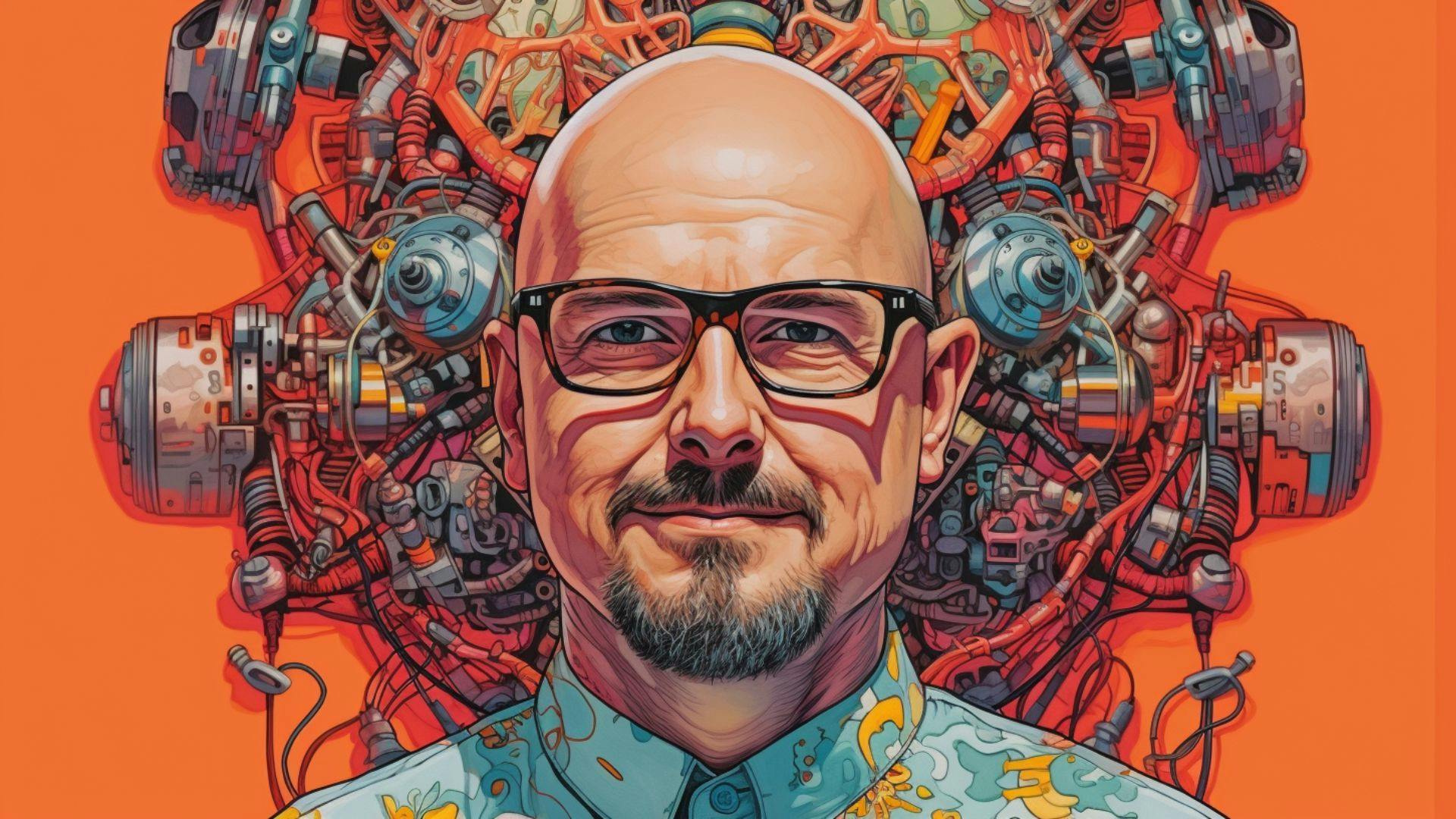
In this episode, journalist, technologist and entrepreneur Marshall Kirkpatrick joins hosts Brett and Brian to discuss the way AI might change our lives, thinking and philosophy as a species. Marshall dives deep into the way we are learning to integrate AI into our conscious processes, and where it might be useful, and where it might be contentious. In the midst of arguments about the safety of AI and the role it will play in our society, this is a fascinating debate on how your personal AI might change your world.
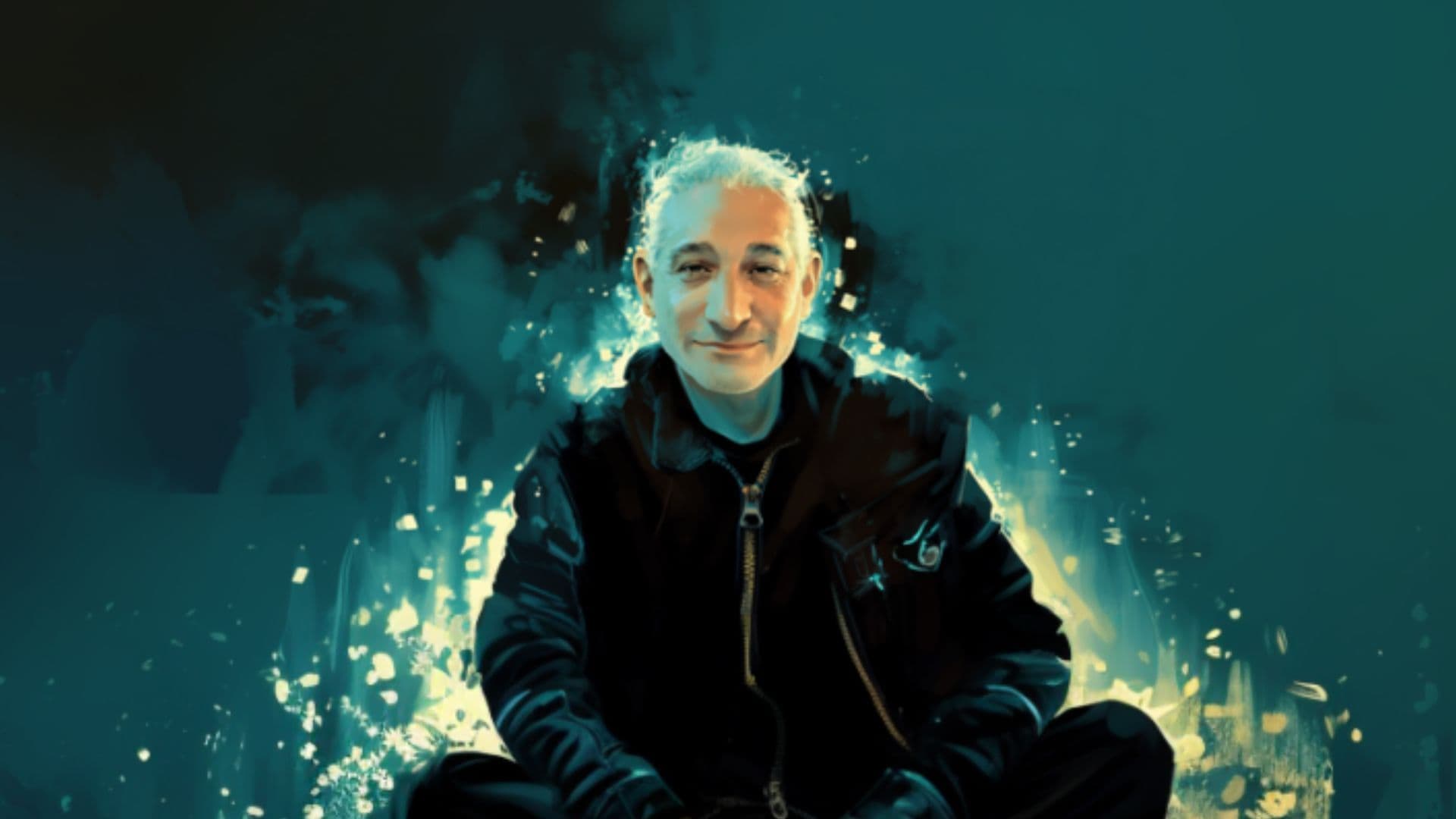
The future of computing is 3D, according to Avi Bar Zeev. For three decades, this creative technologist has played a part in the creation of every major advance in spatial computing, immersive media, and XR. This week, Avi joins the Futurists to explain how previous breakthroughs will make the next wave of 3D computing possible. Avi shares what he has learned from 30 years of designing theme park rides, new headsets, virtual worlds and planetary-scale maps.

In this powerfully inspiring talk, Futurists co-founder Robert Tercek shares insights from his four years of collaboration with technologists to build artificial intelligence tools that empower artists to create cinematic stories. In February 2026, Tercek shared these remarks as the keynote speech at the annual meeting of the Hollywood Professionals Association, whose members include the heads of production for the major film studios, TV networks and streaming platforms. At a time when many professional filmmakers are worried about AI, Tercek provides a message of hope and positive change. AI for artists and storytellers is here.
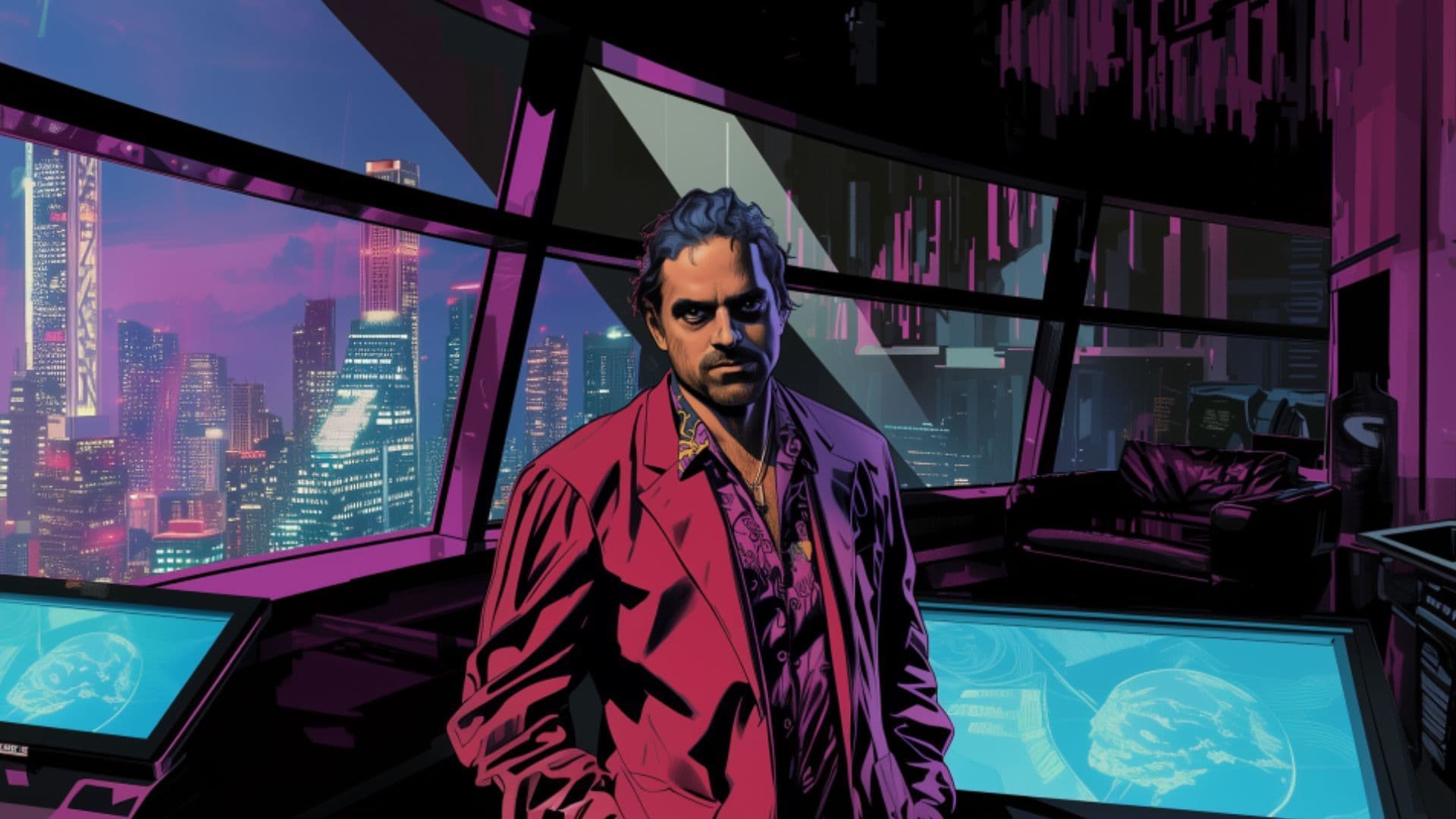
An erratic President, a bungled raid on American cities, two fatal shootings by ICE agents, a massive protest by thousands of citizens in Minneapolis and other US cities, and flood of dishonest and misleading statements by Presidential aides and cabinet members: the United States begins 2026 in utter turmoil. Technologist and author Ramez Naam joins the Futurists to share his perspective on the political unrest in American civil society and the collapse of governance norms. Are populist forces fighting against a future defined by accelerating change? Is this a desperate attempt to restore society to a mythical past that never existed? Or is something more sinister afoot? What are the long term effects, domestically and internationally? The discussion includes a range of views on American chaos and some lively debate about the long term implications.
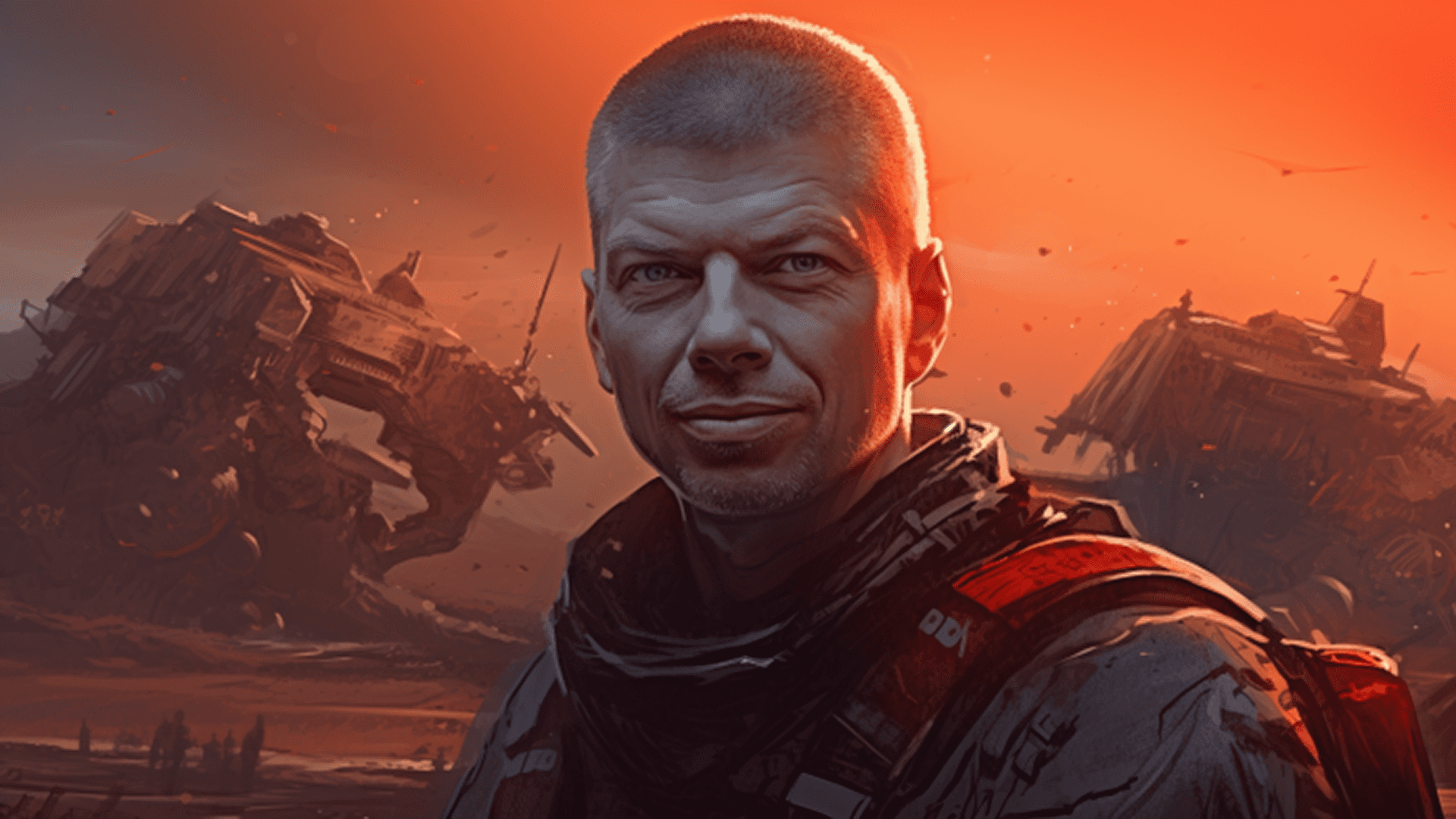
Award-winning author and technologist Mark Pesce tells us about the deep history of today’s consumer technology in military R&D including the 30 year arc of the Metaverse which Pesce himself kickstarted in the early 1990s. Pesce points out how consumer technology has outpaced the defense innovation, and now has become a front for a new kind of warfare.
Twitter @Futuristpodcast
Facebook @FuturistPodcast
Instagram @Futuristpodcast
Youtube @TheFuturistsPodcast
Soundcloud @TheFuturistsPodcast