
THE FUTURISTS

In this week’s show Brett and Rob discuss why the Administration were happy to bring the world’s markets to the brink of global recession and why it’s happening now? Is this a massive, economy scale Pump and Dump or is it an existential threat of China surpassing the U.S. as the world’s largest economy? Will these tariffs put any dent in China’s meteoric rise? Let’s find out.

Susan Zieger, the author of “Logistics and Power”, joins the Futurists to share her insight about global trade and control. Global trade and logistics requires a hierarchy of control to ensure timely, reliable delivery. That’s why power is an emergent principle of the global supply chain. For Zieger, the supply chain covers more than containers and manufactured goods, spanning the movement of humans and information. The early phases of global trade continue to shape the present and the future of logistics, transportation, and cultural globalization. Zieger provides a wide-ranging survey of world systems, beginning with the Dutch colonies of the 17th century; how modern managerial power emerged from railroad industry in the 19th century; and today’s new frontier of suborbital supply chains in space. Zieger’s critical focus is a humanist-focused interpretation of logistics, including the impact on the people who are engaged in global trade as employees or consumers, subject to the rules imposed by the logistics of trade.
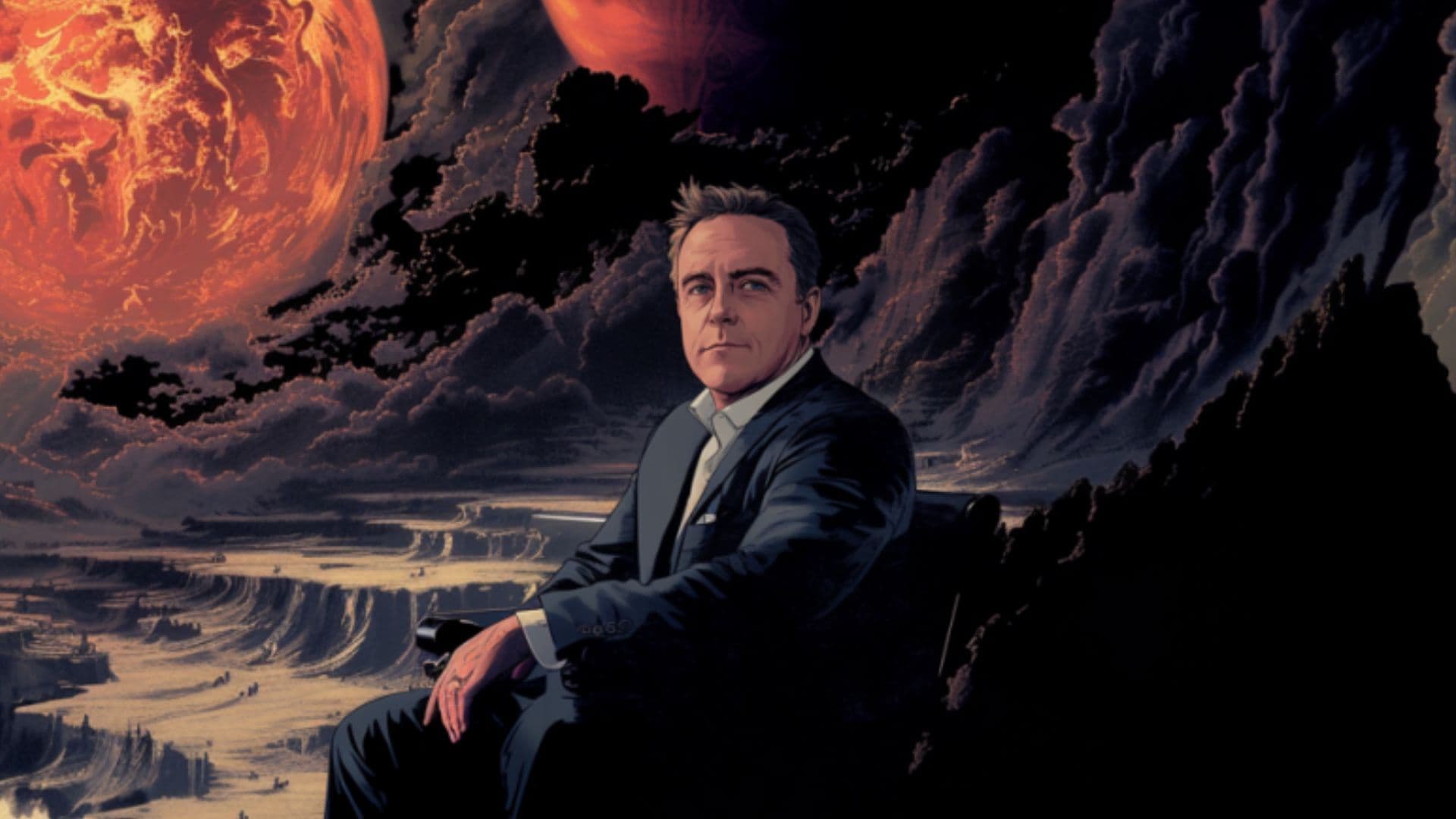
Global economist Peter Middlebrook has advised governments in many nations on modernization and economic policy, including Malaysia, Indonesia, Egypt, Rwanda, Afghanistan, India, and the UK as well as the United Nations, the EU and the World Bank. He joins the Futurists to share his perspective about the current and future trajectory of capitalist economies and geopolitics. Topics include: the fate of 250 million displaced people; how governments drive up the cost of housing and other assets when they inflate away debt; what happens when Western nations attempt to combine capitalist economies with socialist policies; why Asia represents the greatest growth opportunity of the future; why the United States seeks to consolidate South America; why the BRIC nations are de-dollarizing trade; why the future economy is both hyperlocal and hyper global; the illusion of the free market and the growing significance of industrial policy; why multimillionaires are fleeing from the UK; why Western nations need strategic plans informed by firsthand experience. Peter's book, How to Make Britain Great Again: A Blueprint for a Better Britain by 2050: https://www.amazon.com/dp/B0GCVN3Z4G
Twitter @Futuristpodcast
Facebook @FuturistPodcast
Instagram @Futuristpodcast
Youtube @TheFuturistsPodcast
Soundcloud @TheFuturistsPodcast