
THE FUTURISTS
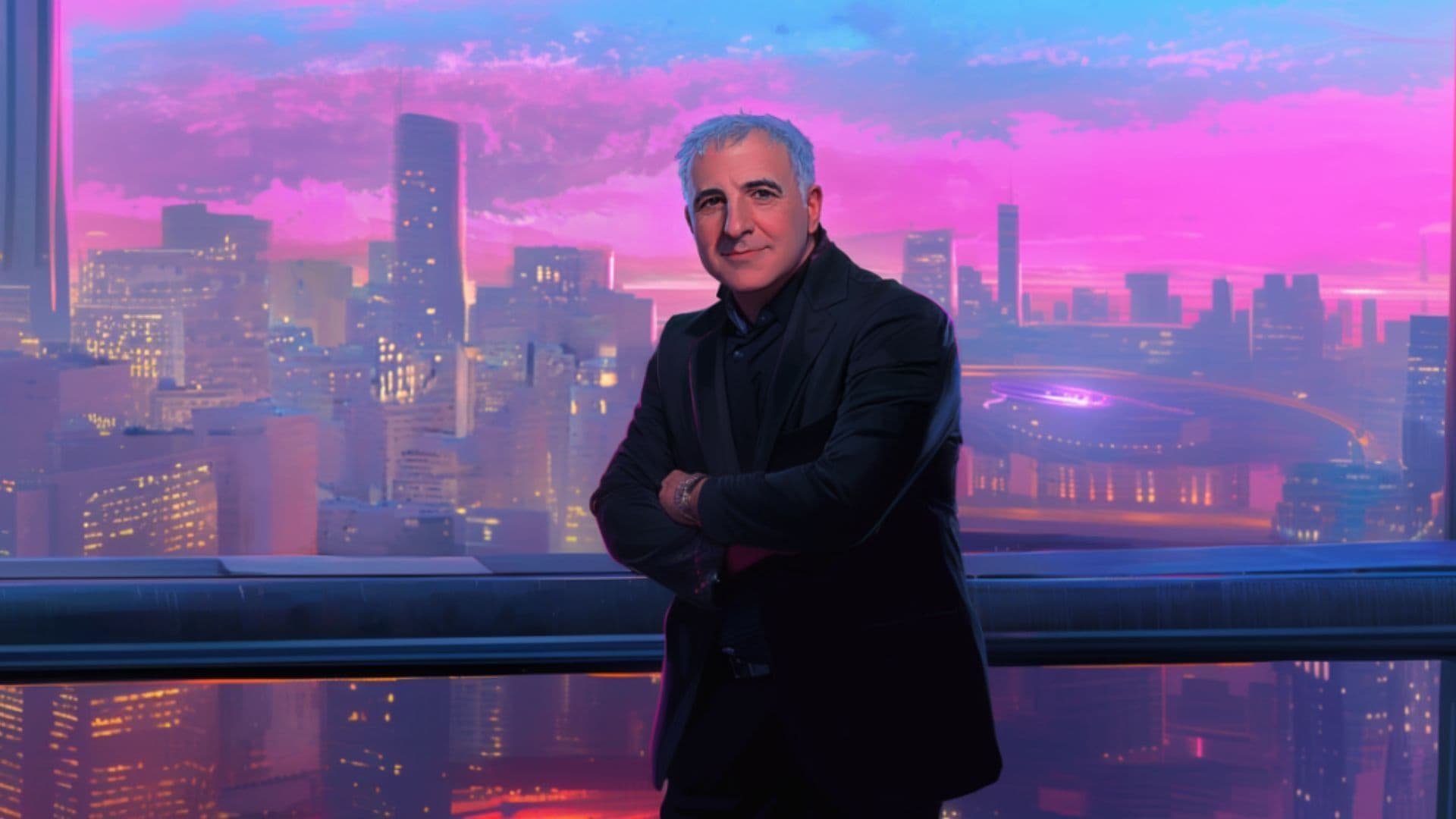
What happens when the software you use starts acting independently? Harry Glorikian calls this the invisible interface, and in this episode he unpacks the implications of unseen agency and autonomy in the future workforce. Topics: the personal interface layer; the memory war; who owns the context that makes a personal interface valuable; proofseconds; the four trust signals that determine whether human users are willing to delegate to machines; how occupational dimensionality determines whether an employer will automate an entire job or just parts of it.

This week Brett interviews South African futurist Bronwyn Williams, co-author of Surviving the AI Apocalypse. The discussion ranges from how we will work side by side with AI (not doing jobs but “work”) and the philosophical dilemmas that humanity faces as AI has greater and greater impact. This is a wide ranging conversation that delves into what it means to be human in the AI era

Wayfound.AI is one of the most exciting new ventures in Silicon Valley. CEO Tatyana Mamut joins the Futurists to share her vision of the agentic company of the future, where AI agents supervise a swarm of workforce comprised of subordinate agents, on behalf of human managers who cannot work 24x7. As a startup venture, Wayfound is a novel experiment in running a business almost entirely with an agentic workforce and just a handful of human employees. It’s the ultimate “eat your own dog food” approach to building a product. Matmut brings a unique perspective to software product leadership as an economic anthropologist. She shares those views here. Anyone curious about the workforce of the future will find this episode fascinating.
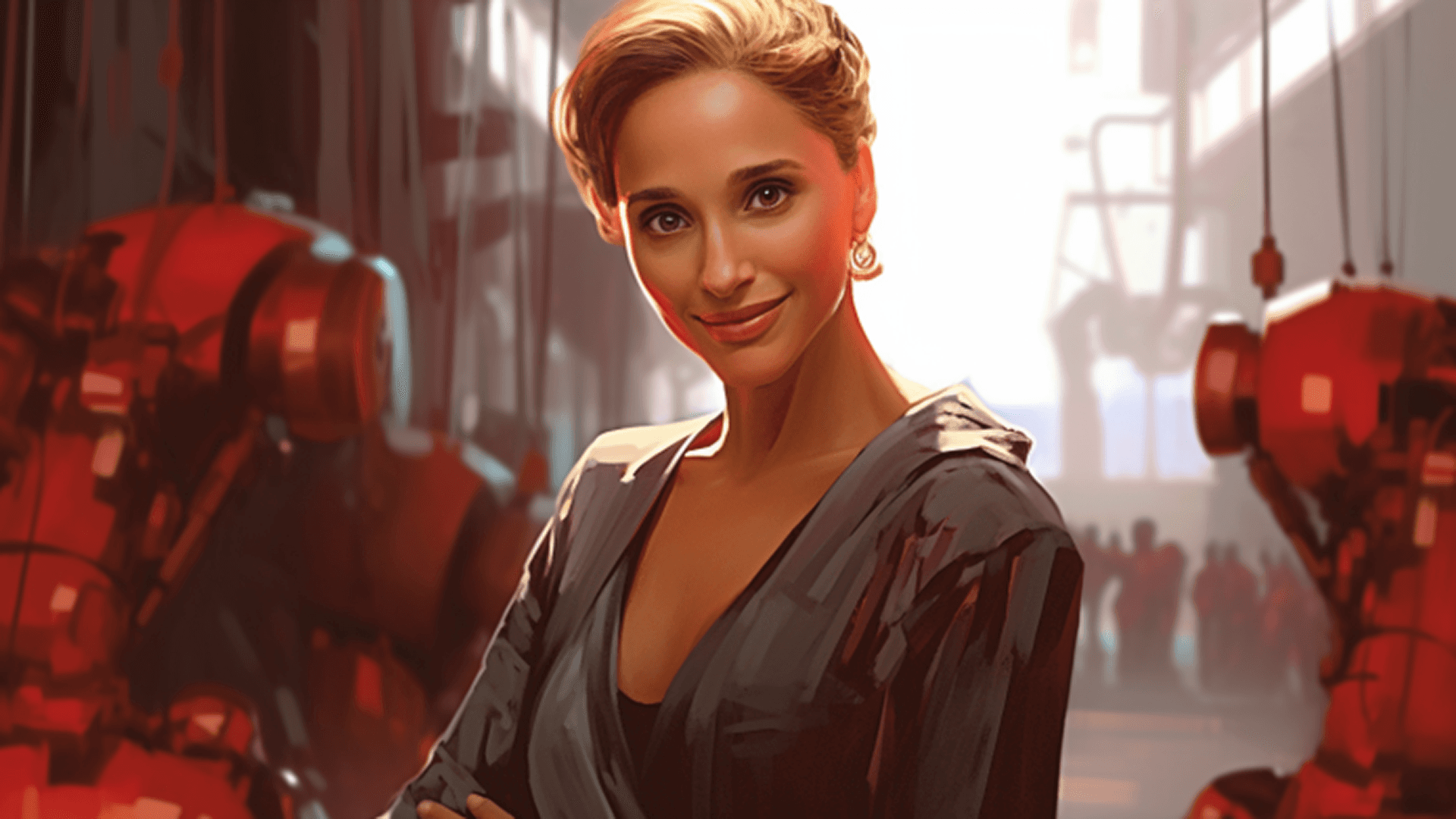
A look at the trends that will shape the workplace of the future: flexibility, the expanding 1099 workforce, the Great Resignation, the gig economy, telework, remote collaboration, placeless employment, automation, robotics, the rebound in union membership, breaking social contract. Wither the American Dream? According to Future of Work expert Sophie Wade, humans need more autonomy and empathy in the workplace order to achieve their best. In this episode we explore how technology might make that possible. Sophie Wade, Work Futurist, Flexcel Network Website: https://www.sophiewade.com/ Website: https://www.flexcelnetwork.com/ Wikipedia: https://en.wikipedia.org/wiki/Sophie_Wade Twitter: https://twitter.com/asophiewade
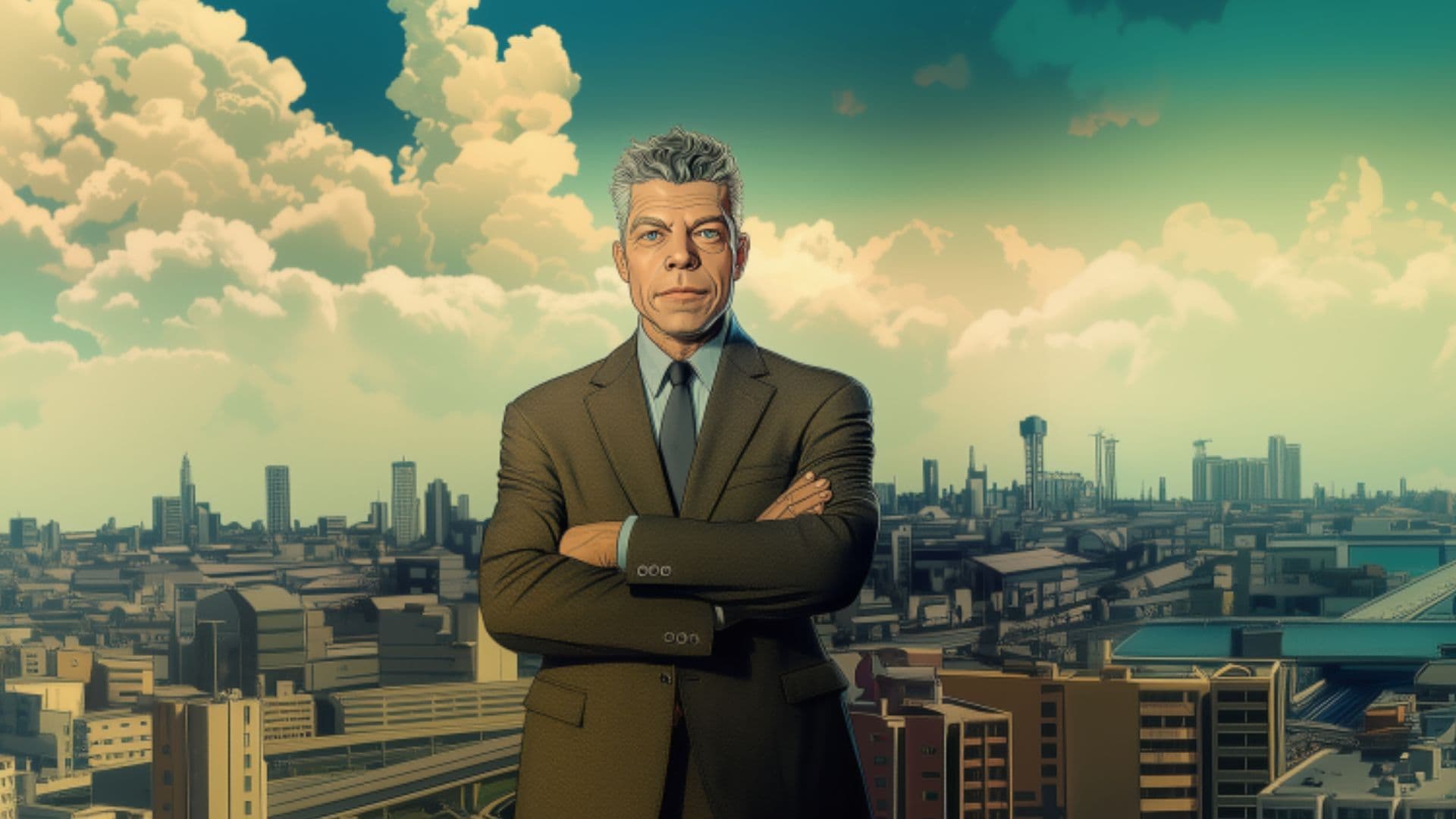
In November 2025, the global techno-economy shifted subtly, then dramatically, as AI agents became viable additions to the workforce. Mark Pesce has documented these changes, what he refers to as “The Watershed”, in a remarkable series of articles at https://thewatershed.markpesce.com/. Pesce joins the Futurists to explain his perspective about how companies and work have changed forever. Pesce and Rob Tercek discuss the future of jobs for humans working alongside AI agents, and what happens when an AI with compounding capability begins to set its own goals. Topics: relative super intelligence versus AGI; The Bitter Lesson and what remains durable work for humans; private insurance markets as the mechanism for pricing AI risk, why governments will evade that measurement, and the dissolving boundaries that used to define corporations.
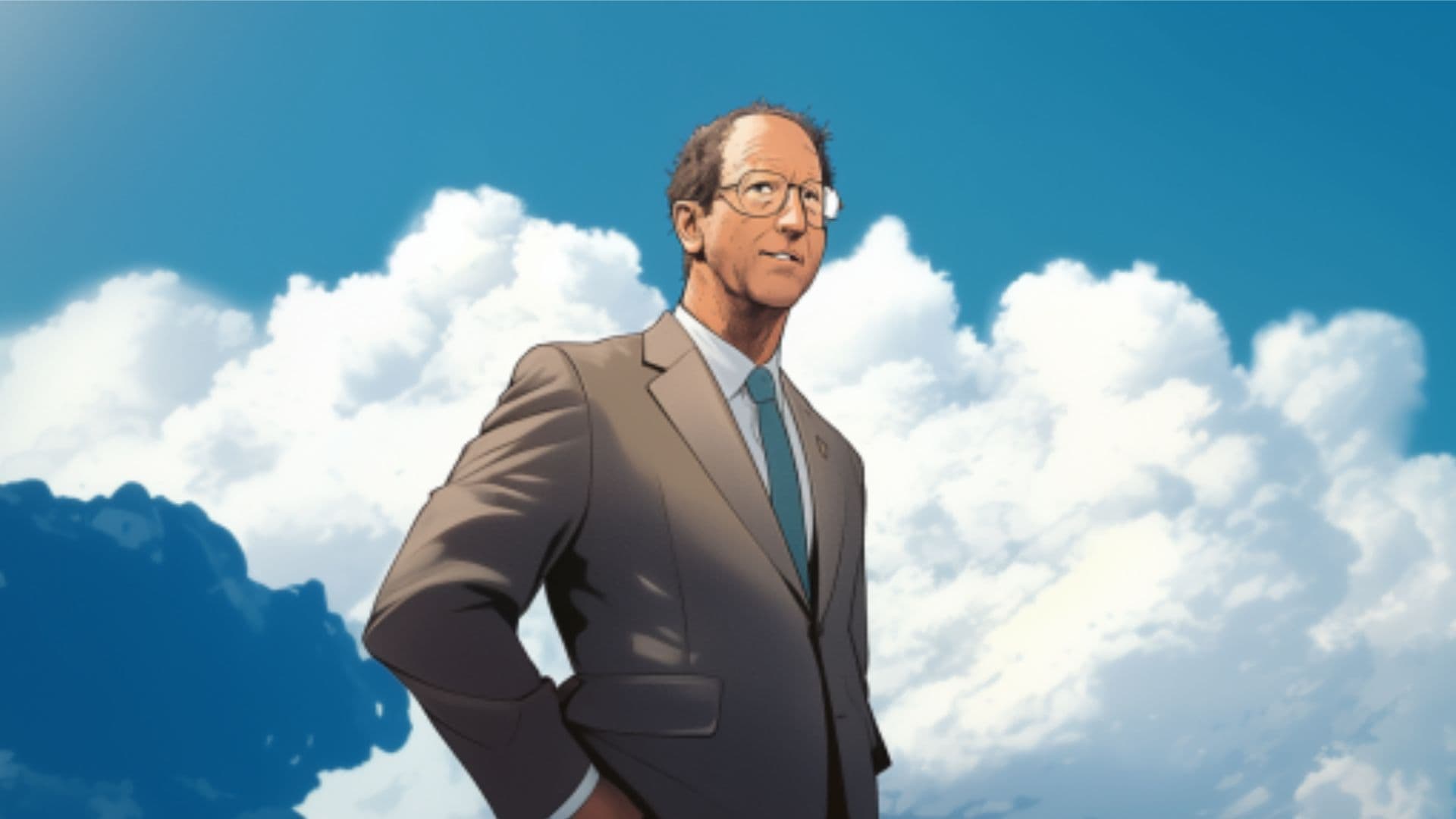
Paul Osterman, MIT labor economist and author of Disposable Workers: The Transformation of Employment , tells Rob Tercek about the fastest-growing category of the US workforce in the age of artificial intelligence. According to Osterman, a rising number of employers prefer to hire three categories of “disposable workers” with no long-term stake in the company. Today, such workers comprise more than 35% of the entire US workforce. The employers get the benefit of flexibility, and they push the risk and uncertainty onto the workforce. This interview covers the social, political, and organization consequences of the shift. And it anticipates how the deployment of AI will intensify the trend.
Twitter @Futuristpodcast
Facebook @FuturistPodcast
Instagram @Futuristpodcast
Youtube @TheFuturistsPodcast
Soundcloud @TheFuturistsPodcast